
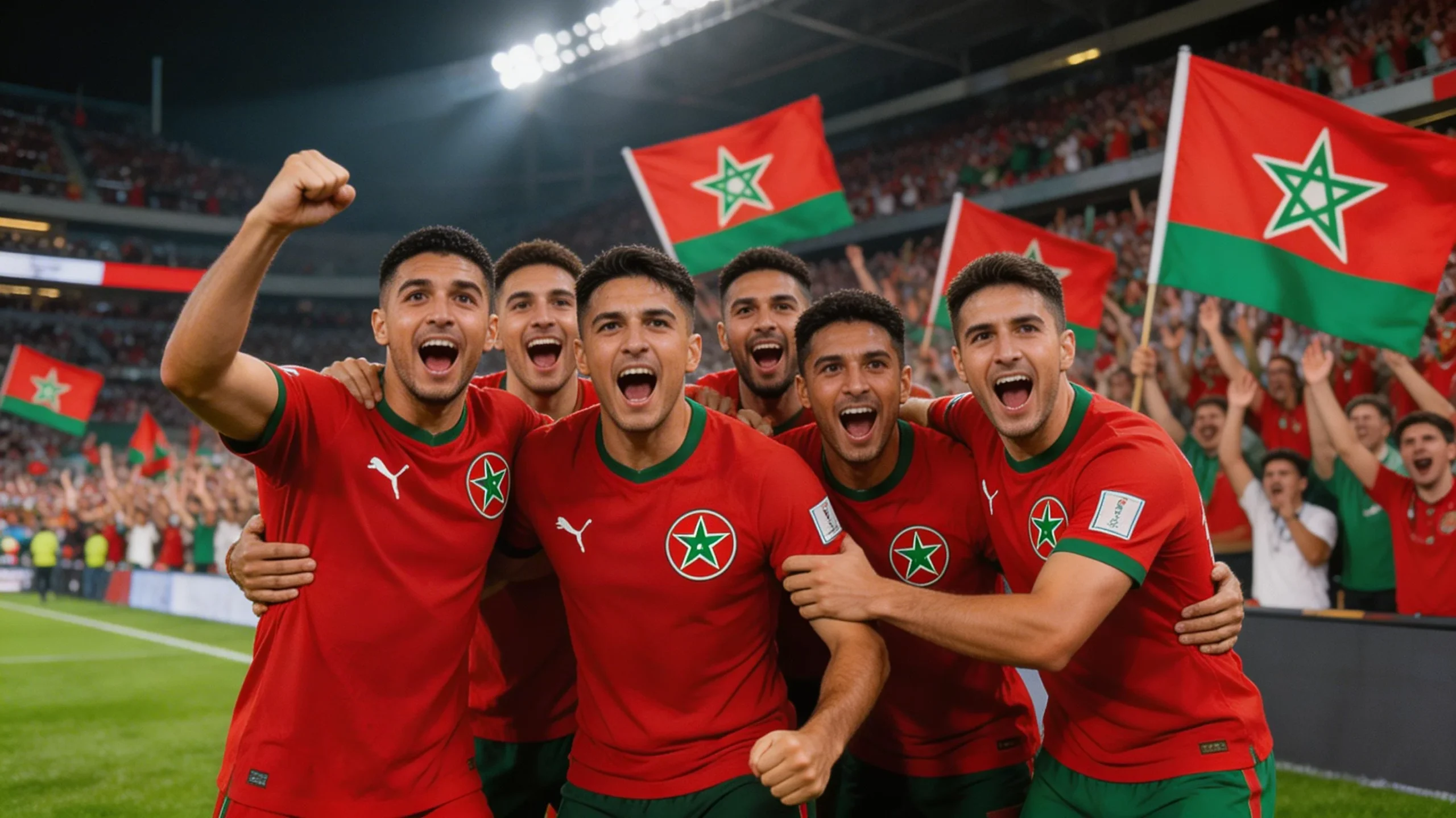
The 2022 World Cup transformed Moroccan football’s global standing in ways that decades of consistent qualification hadn’t achieved. Defeating Belgium, Spain, and Portugal before falling to France in the semifinals – the Atlas Lions became the first African nation to reach World Cup’s final four, producing a run that captivated neutral supporters worldwide. The celebrations across Morocco and the global Moroccan diaspora reflected what that achievement meant: proof that African football could compete at the sport’s highest level.
World Cup 2026 arrives with Morocco carrying expectations that their 2022 success created. The question involves whether that semifinal run represented peak performance that can’t be replicated, or the beginning of sustained Moroccan excellence that 2026 can extend. For betting purposes, the answer determines whether Morocco’s odds offer value or trap – their prices reflect the 2022 achievement without certainty that performance level continues.
Can Morocco Replicate 2022 Magic
The 2022 World Cup run featured elements that might prove difficult to recreate. The defensive organization that conceded only one goal across five matches – an own goal against France – represented historic excellence that statistical variance suggests is unlikely to repeat exactly. The collective spirit that produced extra-time victories reflected a specific squad chemistry that personnel changes inevitably affect.
The individual performances that defined 2022 came from players at their peaks. Achraf Hakimi’s attacking brilliance, Sofyan Amrabat’s midfield dominance, Yassine Bounou’s goalkeeping heroics – each player delivered career-best tournament performances simultaneously. Whether this alignment recurs depends on form timing that can’t be controlled.
The opponent circumstances in 2022 partially enabled Moroccan success. Belgium’s aging squad, Spain’s finishing difficulties, Portugal’s Ronaldo drama – each knockout opponent faced internal challenges that Morocco exploited. The path through Group C and knockout bracket provided opportunities that different draws might not have offered.
But the counterargument emphasizes what Morocco actually demonstrated. The defensive system that Walid Regragui implemented isn’t random – it’s a tactical approach that quality players execute when properly prepared. The spirit that produced dramatic victories reflects Moroccan football culture that exists beyond any specific tournament. The European-based quality throughout the squad provides foundation that 2022’s results built upon rather than created from nothing.
The post-2022 period has maintained Moroccan competitiveness without replicating tournament magic. African Cup of Nations performances and qualification results suggest continued quality without the transcendent moments that 2022 produced. This pattern – consistently good without being consistently exceptional – affects how to assess their 2026 probability.
Squad Overview
Moroccan squad composition for 2026 reflects evolution from the 2022 heroes alongside newcomers who’ve emerged through European pathways. The balance between proven tournament performers and fresh energy defines their selection dynamics.
Goalkeeping remains strength through Yassine Bounou’s continued excellence. His 2022 performances established him among tournament football’s elite shot-stoppers, and subsequent club form has maintained that level. The confidence that comes from World Cup semifinal experience provides composure that younger alternatives couldn’t replicate.
The defensive structure that defined 2022 retains its core while incorporating new options. Achraf Hakimi’s dynamism from right-back continues providing attacking threat that few fullbacks match globally. The center-back options provide organization that Moroccan systems require, while left-back alternatives have emerged to complement Hakimi’s right-side dominance.
Central midfield has evolved since 2022. Sofyan Amrabat’s tournament heroics earned a Manchester United move that produced mixed results, creating questions about his current level. The supporting cast includes players whose European development has produced quality that didn’t exist in previous Moroccan generations. This depth allows tactical flexibility that 2022’s relatively fixed lineup couldn’t provide.
The attacking positions present Morocco’s most significant questions. The 2022 run succeeded partly because Morocco didn’t need prolific goal-scoring – their defensive excellence meant that single goals won matches. Whether 2026’s expanded format requires different attacking approach creates tactical questions that Regragui must address.
The bench quality has strengthened since 2022. The emergence of additional European-based options provides rotation possibilities that tournament football rewards. This depth matters across seven potential matches where 2022’s intensity might have proven unsustainable without fresh alternatives.
The leadership dynamics within the squad reflect the 2022 experience that binds core players together. Hakimi, Bounou, and other semifinal veterans provide guidance that newer players benefit from in pressure situations. This collective memory – knowing what World Cup knockout rounds feel like, understanding the margins that decide advancement – creates psychological advantage over opponents experiencing those moments for the first time.
The European development pathway continues producing Moroccan talent at rates that exceed previous generations. Players with Moroccan heritage who developed in French, Spanish, and Dutch academies have chosen Atlas Lions representation, adding technical qualities that domestic development alone couldn’t produce. This dual-nationality recruitment provides squad depth that Morocco’s population alone wouldn’t support.
Group C – Brazil Awaits
Morocco’s draw places them in Group C alongside Brazil, Haiti, and Scotland. The composition creates clear dynamics: Brazil as heavy favorites, Morocco as expected second qualifier, with Haiti and Scotland competing for unlikely advancement.
Brazil represents the challenge that defines Moroccan 2026 expectations. The five-time World Cup winners possess individual quality that exceeds what Morocco faced in 2022’s knockout rounds. Whether Moroccan defensive organization can contain Vinícius Jr., Rodrygo, and Brazilian attacking depth determines whether their 2022 defensive approach translates against the tournament’s elite tier.
Haiti makes their World Cup debut representing CONCACAF’s expanded presence. The quality gap between Morocco and Haiti suggests comfortable Moroccan victory, though underestimating Caribbean opponents has historically produced surprises. Morocco should approach this fixture as goal-difference opportunity rather than genuine test.
Scotland returns to World Cup football after missing 2022, their European quality providing more significant challenge than Haiti. The Scotland-Morocco match could prove Group C’s second-most competitive fixture, with both teams recognizing each other as obstacles to desired positioning. Scottish directness against Moroccan organization creates tactical dynamics worth monitoring.
Group C betting: Morocco -200 to advance appropriately captures expected qualification without offering significant value. More interesting positions involve Morocco vs Brazil total goals and the Morocco-Scotland outcome where competitive dynamics create uncertainty the market might not fully price.
The scheduling sequence within Group C affects Moroccan preparation. The specific order of Brazil, Haiti, and Scotland determines whether Morocco faces their toughest test early or can build confidence through manageable opposition first. If Brazil comes first, the result could define group-stage psychology for remaining matches. If Brazil comes last, Morocco might approach with qualification secured or requiring decisive result – each scenario creating different tactical dynamics.
The venue assignments matter for Moroccan supporter presence. The significant Moroccan diaspora in North America, particularly in Canada and northeastern United States, could create favorable crowd dynamics depending on where Group C matches occur. This supporter factor contributed to 2022’s atmosphere and could repeat if stadium assignments favor Moroccan travel patterns.
Morocco World Cup Odds
The outright market prices Morocco between +3000 and +5000, reflecting their 2022 semifinal as evidence of genuine capability while acknowledging that result might not repeat. The implied probability of 2-4% positions them among dark horse contenders whose ceiling reaches deep tournament runs.
I find Moroccan odds appropriately priced given their demonstrated capability balanced against questions about replication. Their 2022 run was exceptional – pricing that expects similar performance might overvalue probability. But their quality is genuine, making dismissal equally mistaken.
The progression positions offer clearer value. Morocco to reach quarterfinals at approximately +120 captures their capability through likely Group C advancement and potentially favorable Round of 32 matchup. The path to quarterfinals might avoid elite opposition until that stage – making progression prices attractive.
Morocco to win Group C at approximately +350 presents speculative value for bettors who believe they can defeat Brazil. Their 2022 showed capability against elite opponents, and Brazil’s recent tournament struggles suggest vulnerability. This long-shot position offers significant returns if Morocco’s best performance materializes against weakened favorites.
Betting on Atlas Lions
Moroccan betting patterns reflect their defensive identity. The opportunities exist in positions that leverage organized defending while acknowledging attacking limitations.
Under totals suit Morocco’s tactical approach. Their games against competitive opponents feature defensive priority that limits scoring at both ends. Under 2.5 goals in Morocco-Brazil and Morocco-Scotland at reasonable prices captures their realistic game patterns.
Moroccan clean sheets offer value against beatable opponents. Their 2022 defensive excellence – one goal conceded across five matches – demonstrated capability that the current squad should approach against Haiti and Scotland. Clean sheet prices against these opponents may undervalue Moroccan defensive probability.
Both teams to score dynamics require opponent assessment. Against Brazil, BTTS “yes” seems likely – Moroccan organization will face Brazilian quality that eventually scores, while Moroccan counters create chances against any opponent. Against Haiti and Scotland, BTTS “no” better reflects likely defensive control.
The Brazil match deserves specific attention as Group C’s defining fixture. Morocco +1.5 handicap at reasonable prices captures their capability to keep matches competitive even against elite opponents. Draw at approximately +350 reflects the possibility that Moroccan defensive excellence produces unexpected result.
Eyes on 2030 Host Bid
Morocco’s 2026 World Cup campaign carries significance beyond the tournament itself. Their joint bid with Spain and Portugal to host the 2030 World Cup has already succeeded, making 2026 their final World Cup as participants before hosting duties begin. This context adds motivation that extends beyond typical tournament incentives.
The 2030 hosting creates organizational pressures that some nations channel productively while others find distracting. Moroccan football leadership must balance immediate 2026 preparation with longer-term hosting planning. Whether this dual focus enhances motivation or divides attention affects performance in ways that can’t be predicted.
The global platform that 2026 provides matters for 2030 preparation. Strong performances remind the football world of Moroccan capability and passion, building anticipation for 2030’s African-hosted matches. This opportunity to promote future hosting through current performance creates incentives that purely competitive tournaments don’t provide.
The player motivation from this context deserves consideration. Atlas Lions representing Morocco in 2026 understand they’re playing for something beyond immediate results – they’re showcasing the football culture that will host the world’s greatest tournament four years later. This additional purpose could elevate performances beyond what pure competitive incentive produces, or it could create pressure that complicates focus on immediate tasks. How Regragui manages this psychological dynamic affects Moroccan performance throughout the tournament.
The coaching staff’s experience with this dual focus matters. Regragui demonstrated in 2022 that he could channel external pressures productively, turning underdog status into motivational fuel. Whether he can similarly harness 2030 anticipation without allowing distraction remains untested but suggests positive probability given his track record with Moroccan squad psychology.
My projection for Morocco: Round of 16 appearance with approximately 70% probability, quarterfinal at 35%, semifinal at 12%, final at 4%, tournament victory at 2%. These numbers reflect realistic Moroccan capability based on 2022’s evidence while acknowledging that exceptional tournament runs rarely repeat consecutively. The value exists in group advancement and quarterfinal progression markets where their quality should produce predictable results. Among the World Cup teams whose 2022 performances created expectations, Morocco represents the clearest case where ceiling assessment determines appropriate betting approach.
