

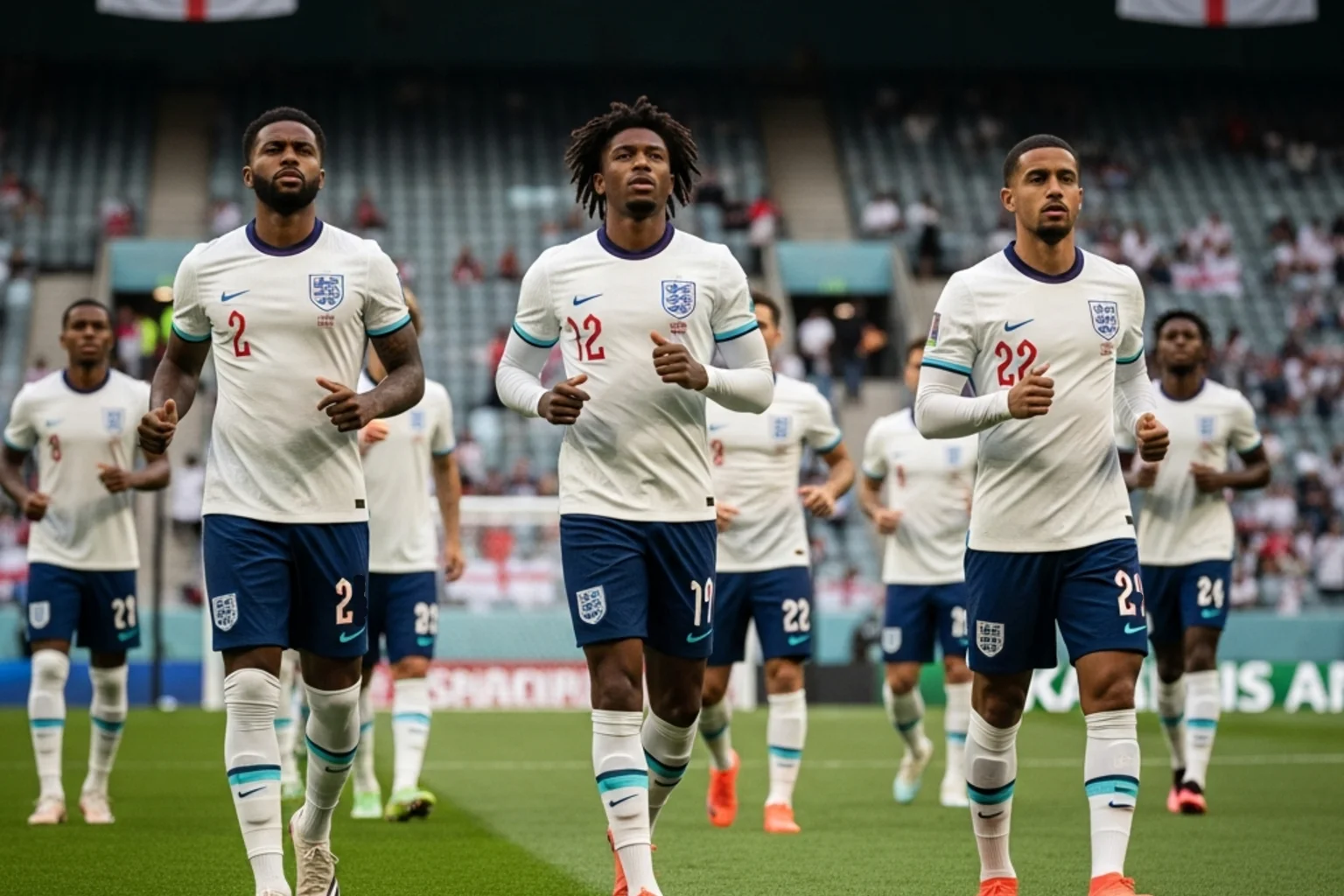
Sixty years. That number haunts English football like no statistic in the sport’s history. Not since 1966 – when Bobby Moore lifted the Jules Rimet trophy at Wembley – has England won a major tournament. The Three Lions have produced world-class players, reached finals, lost penalty shootouts, and generated endless speculation about when, not if, they’d finally break through. World Cup 2026 arrives with England’s most talented generation since those Wembley winners, and the pressure of history weighing heavier than ever.
I’ve watched England navigate tournament football since covering the 2006 World Cup in Germany, and the pattern repeats with almost scripted predictability. Strong group stage performances build expectations. Knockout wins against beatable opponents inflate dreams. Then comes the semifinal or final collapse – penalties against Italy in 2021, Croatia’s extra-time winner in 2018, the heartbreaks that define English tournament football. Whether 2026 finally breaks this cycle depends on factors beyond pure talent – and identifying those factors matters enormously for betting purposes.
Jude Bellingham – England’s Talisman
The 2024 European Championship nearly ended in the Round of 16 against Slovakia. England trailed 1-0 in stoppage time, playing poorly enough that elimination seemed deserved. Then Jude Bellingham produced an overhead kick that changed everything – not just the match, but England’s entire tournament trajectory. That moment crystallized what Bellingham represents: the individual brilliance that can override collective limitations.
At 22 during the 2026 World Cup, Bellingham enters his physical peak already established as one of football’s five best players. His first season at Real Madrid produced goals, assists, and performances that demanded comparison with the sport’s legends. The combination of athletic dominance (pace, power, aerial ability) with technical excellence (passing range, dribbling, shooting) creates a player without obvious weaknesses. Opponents can’t simply mark him out of games because his contributions come from everywhere on the pitch.
The statistical profile supports the eye test. Bellingham’s progressive carries and passes rank among Europe’s elite midfielders, while his goal involvement numbers match attacking players. His heat map shows presence across the middle and final thirds – collecting deep, driving forward, arriving in the box, and finishing chances. This versatility means England’s attacking patterns can flow through multiple routes rather than becoming predictable.
For betting purposes, Bellingham’s tournament goalscoring markets deserve attention. His odds for Golden Boot finish typically range from +1200 to +2000, reflecting that midfielders rarely win the award. But his shot volume, penalty potential (if Kane doesn’t take them), and England’s expected deep run create value at those prices. I’m including Bellingham in exotic markets – tournament top five scorer, most goals from outside the box, and similar propositions that leverage his unique profile.
The leadership dimension matters beyond statistics. Bellingham’s personality – confident bordering on arrogant, demanding of teammates, visibly frustrated by errors – could either inspire England through pressure moments or create tension when things go wrong. His maturity at 22 will be tested differently than club football tests it. How he handles tournament pressure alongside the established egos in England’s squad affects their ceiling more than tactical diagrams suggest.
UEFA Qualification
England’s path to 2026 qualification proceeded exactly as expected – dominant wins against weaker opponents, occasional struggles against capable opposition, and automatic qualification secured with matches remaining. The statistics look impressive (goals scored, goals conceded), but the quality of opposition tempers those numbers significantly.
The comfortable victories came against teams England should beat – Albania, North Macedonia, Malta in previous cycles, similar opposition in 2026 qualifying. These matches offered little insight into tournament readiness because the gap between England and such opponents exists regardless of form. The 4-0 and 5-1 margins reflected talent difference rather than tactical excellence or squad cohesion.
More revealing were the competitive matches against Italy and Ukraine. These games showed England’s patterns under genuine pressure – the tendency to absorb rather than dominate, the reliance on individual moments rather than systematic attacking, the defensive vulnerabilities that quality opponents exploit. Conceding goals to Italy’s forwards revealed that England’s back line remains their weakness, regardless of the personnel chosen.
The managerial situation evolved throughout qualification. Gareth Southgate’s departure after Euro 2024 ended an era that reached semifinals and finals without delivering trophies. His replacement inherits a squad at peak talent with peak pressure – every match now measured against England’s sixty-year wait. This context affects player psychology and tactical approach in ways that qualification matches couldn’t test.
The new manager’s tactical identity will determine England’s tournament profile. Southgate’s pragmatic, defense-first approach produced results but frustrated supporters who wanted England’s attacking talent unleashed. Whether the new approach emphasizes attacking football (satisfying expectations but potentially exposing defensive weaknesses) or maintains caution (frustrating fans but managing tournament progression) shapes every betting calculation about England’s 2026 prospects.
Squad Analysis
England’s squad depth approaches France-level quality at most positions. The selection dilemmas involve choosing between excellent options rather than finding adequate alternatives – a problem most national teams would welcome.
The attacking options create genuine headaches for squad selection. Harry Kane remains England’s captain and all-time leading scorer, his Bayern Munich form demonstrating continued elite-level performance into his thirties. Phil Foden’s Manchester City success demands inclusion despite questions about his England impact. Bukayo Saka’s Arsenal emergence has made him indispensable on either flank. Cole Palmer’s explosive breakthrough adds another option that didn’t exist two years ago. Anthony Gordon, Eberechi Eze, Jarrod Bowen – England could field two or three attacking combinations without significant quality drop.
Central midfield revolves around Bellingham but requires complementary pieces. Declan Rice’s defensive solidity and progressive passing make him an obvious partner. Kobbie Mainoo’s emergence at Manchester United adds youthful energy. Conor Gallagher’s pressing intensity offers different tactical options. The balance between defensive responsibility and attacking support depends on which combination the manager prefers and how opponents approach England.
The defensive positions present more concern despite individual quality. John Stones and Marc Guéhi form the likely centre-back partnership, combining experience with athleticism. But neither projects dominant aerial presence, and both have shown vulnerability against pace. The fullback options – Trent Alexander-Arnold’s attacking quality versus defensive questions, Kyle Walker’s pace versus advancing age – involve tradeoffs that opponents can exploit. Jordan Pickford remains the goalkeeper, his penalty-saving heroics offset by occasional distribution errors.
Where England lacks clarity is system identity. The talent exists for multiple approaches – possession dominance, counter-attacking, pressing – but no clear identity has emerged that maximizes these players collectively. This tactical ambiguity affects betting calculations because England might approach different opponents differently, making match-specific predictions more variable than stable tactical identity would allow.
The age profile of England’s squad deserves consideration for a tournament requiring seven matches across four weeks. Kane at 32 during the tournament still performs at elite level but manages workload differently than five years ago. Walker at 36 presents similar questions about sustained tournament intensity. Balanced against this, Bellingham at 22, Mainoo at 21, and Palmer at 24 represent peak physical capacity. This age spread creates squad management questions that affect rotation patterns and substitution timing throughout the tournament.
Managerial Approach
The post-Southgate transition defines England’s 2026 tournament identity more than any individual player. Eight years under one manager created habits, relationships, and tactical patterns that the new appointment must either continue or deliberately change.
Southgate’s legacy includes reaching tournament latter stages while failing to win them. The defensive organization that limited opponents also limited England’s attacking expression. The penalty shootout record improved dramatically under his tenure – actual systematic preparation replacing the psychological trauma of previous generations. Whether these elements survive the management change affects England’s tournament approach.
The new manager faces impossible expectations. English media and supporters demand attractive, attacking football that also wins tournaments – an equation few national teams solve. The temptation to unleash Bellingham, Foden, Saka, and Kane simultaneously exists in tension with the defensive balance that knockout football requires. Finding this equilibrium while inheriting rather than building a squad tests any manager’s adaptability.
Tournament football specifically rewards certain managerial qualities that club football doesn’t emphasize. Squad management across seven potential matches, reading knockout opponents after minimal preparation time, making substitutions that change matches – these skills matter more than seasonal tactical development. Whether England’s new manager possesses these tournament-specific qualities remains unknown until 2026 provides the test.
The dressing room dynamics add complexity. Kane’s captaincy, Bellingham’s emerging leadership, senior players’ established roles – these relationships required years for Southgate to develop. A new manager inheriting this dynamic either accepts existing hierarchies or risks disruption by asserting different structures. Both approaches carry risks that affect squad harmony during tournament pressure.
Group L Preview
England’s draw places them in Group L with Ghana and two additional opponents awaiting final qualification confirmation. The group composition suggests comfortable advancement but potential early tests that expose England’s form.
Ghana represents African football’s capability to produce tournament moments. Their World Cup history includes quarterfinal appearances and competitive performances against European opponents. The individual quality – players from top European leagues – translates to international football more effectively than some African nations manage. England should beat Ghana, but expecting dominant victory underestimates Ghanaian organization and counter-attacking threat.
The confirmed Group L composition creates scheduling incentives. England will prioritize winning the group to control their Round of 32 opponent – second place risks more difficult bracket positioning. This incentive means England should approach all three group matches with intensity rather than managing rotation, which affects match totals and scoreline bets.
The match-specific angles matter for betting. England’s opening game creates pressure that subsequent matches don’t – failing to win would generate immediate crisis narratives that affect squad psychology. The Ghana match represents potential banana-skin territory where England’s defensive vulnerabilities face direct examination. The final group game’s stakes depend on earlier results but could involve rotation if qualification is secured.
Group L betting: England -400 to advance offers no value – the price accurately reflects near-certainty. More interesting opportunities exist in group winner markets (England -250) and match totals. England games tend toward lower scoring than the talent suggests because their approach remains cautious. Under 2.5 goals in at least one England group match at even money captures this tendency.
England World Cup Odds
The outright market prices England between +600 and +900 depending on the book and timing. This makes them clear third-tier favourites behind Argentina and France but ahead of most other European contenders. The implied probability of 10-14% reflects their talent balanced against tournament history and tactical questions.
I find England’s price slightly generous given their squad quality but appropriately discounted for the sixty years of failure that suggests psychological or structural barriers beyond pure talent. The market essentially prices two possibilities: England finally breaks through (worth much more than +700), or England repeats familiar patterns (worth nothing). The price averages these outcomes reasonably.
The value I identify in England markets involves specific progressions rather than outright victory. England to reach the final at approximately +250 captures their ability to beat most opponents while not requiring them to win the decisive match. This price implies roughly 28% probability for final appearance, which understates England’s advancement capability through knockout rounds. Their path typically encounters beatable opponents before reaching the final four.
England to win their semifinal – if they reach it – often prices around -110 to +110 depending on opponent. These situational bets offer value because England’s knockout record actually shows semifinal capability. The failures come in finals specifically, not earlier rounds. Building positions that profit from semifinal or final appearance without requiring championship victory captures England’s realistic ceiling.
The individual markets present clearer opportunities. Kane Golden Boot at +600 offers value given his penalty responsibilities and expected deep run. Bellingham tournament assists leader at longer odds captures his playmaking role. England highest-scoring European team at approximately +400 reflects their attacking quality while not requiring overall tournament victory.
Betting on England
England’s betting profile requires understanding their historical patterns and current squad capabilities. The opportunities exist in markets that leverage strengths while avoiding exposure to weaknesses.
Match totals present consistent patterns. England games under Southgate averaged fewer goals than expected from their attacking talent. Whether new management changes this tendency remains uncertain – but evidence suggests caution until proven otherwise. Under totals in England knockout matches, particularly against defensive opponents, capture this pattern at prices that don’t fully account for tactical conservatism.
Corners and cards markets reflect England’s game style. Their possession periods create corner opportunities from crosses and attacking plays. Their pressing generates fouls that produce bookings. England over team corners, England opponents over team cards – these ancillary markets offer steady value that accumulates across tournament matches without requiring scoreline predictions.
Avoid England clean sheet bets against quality opponents. Their defensive vulnerabilities – pace exposure, aerial challenges, goalkeeper distribution errors – mean elite forwards find scoring opportunities. Conceding doesn’t prevent England advancing, but clean sheet bets against France, Germany, or Argentina-level opposition involve unnecessary risk.
The knockout progression bets deserve primary emphasis. England’s path to semifinals typically presents beatable opponents, making -110 prices on individual knockout advancement consistently valuable. Building ladder positions – Round of 32, Round of 16, quarterfinal, semifinal – at individual prices compounds expected value better than outright championship bets.
England’s World Cup History
The 1966 triumph defines English football’s self-perception in ways that complicate contemporary tournaments. Every subsequent generation carries the weight of Bobby Moore’s legacy – expectations that transcend realistic assessment of current squads.
The near-misses accumulate painfully. The 1990 World Cup semifinal loss to West Germany on penalties – Gazza’s tears becoming iconic imagery. The 1996 European Championship semifinal against Germany – same penalty heartbreak at home. The 2018 World Cup semifinal against Croatia – the closest approach to breaking through that the modern generation had achieved.
Euro 2020’s final offered the freshest wound. Playing at Wembley against Italy, taking an early lead through Luke Shaw’s goal, England seemed destined to finally end the drought. Then Italian equalization, then extra time, then penalties – Marcus Rashford and Jadon Sancho missing, Bukayo Saka’s crucial miss, and sixty years becoming sixty-five. That night’s emotional devastation still affects the current squad, several of whom missed those penalties.
The penalty shootout narrative specifically matters for betting purposes. England’s record improved dramatically under Southgate – winning shootouts against Colombia (2018) and Switzerland (2024) after decades of failure. This improvement suggests psychological preparation that previous generations lacked. If 2026 produces penalty situations, England’s probability of winning has genuinely increased from historical baselines.
The sixty-year context creates pressure that other nations don’t face. Germany won four World Cups in this period. France won two. Spain, Italy, Argentina – major nations delivered trophies while England produced only near-misses. This weight affects players psychologically in ways that pure talent can’t overcome. Whether 2026’s squad possesses the mental fortitude to handle these expectations remains the central question about England’s championship probability.
The 2022 World Cup quarterfinal exit to France offered another data point. England competed evenly against the eventual finalists, created chances, and lost 2-1 with a missed Kane penalty proving decisive. This performance showed England could match elite opposition while also demonstrating the fine margins that separate advancement from elimination. One converted penalty, and England’s tournament trajectory changes entirely – these margins define knockout football.
Three Lions’ Quest to End 60 Years of Hurt
England enters 2026 as one of 48 teams – but only one carrying sixty years of accumulated expectation. This unique pressure shapes everything about their tournament approach, from player selection to tactical decisions to moment-by-moment psychology in crucial situations.
The talent argument for England’s championship capability is straightforward. Bellingham, Kane, Foden, Saka, Rice – this core compares favourably with any nation’s best players. The depth behind them exceeds what previous English generations possessed. If pure talent determined World Cup winners, England would enter as legitimate co-favourites rather than third-tier contenders.
The counter-argument involves intangibles that statistics can’t capture. England’s tournament failures share common patterns: conservative tactics when aggression was needed, missed penalties when composure was required, late-match collapses when concentration should have held. Whether these patterns reflect structural coaching issues, player psychology, or pure variance determines England’s 2026 probability more than tactical analysis.
The North American venue factor affects England differently than most European teams. The time zone adjustment, the summer heat, the long-haul travel – these logistical challenges test squad management in ways that European tournaments don’t. England’s Premier League players are accustomed to English conditions, not Texas humidity or California heat. How they adapt to these environments affects performance in ways that pre-tournament preparation can address but not guarantee.
The expanded 48-team format creates different tournament rhythm than England has experienced. Seven matches instead of the previous maximum of seven (only achieved by finalists) means squad depth matters more than ever. England’s bench quality – the ability to introduce Palmer, Gordon, or Mainoo without significant drop-off – becomes an advantage that previous English squads couldn’t claim. Managing this depth across a month-long tournament tests coaching decisions in every match.
My projection for England: quarterfinal appearance with approximately 70% probability, semifinal at 45%, final at 25%, tournament victory at 12%. These numbers slightly exceed what the betting markets imply for earlier rounds while agreeing with championship odds. The value exists in progression bets through semifinals – England reaches late rounds consistently but wins finals inconsistently. Building positions that profit from advancement without requiring the trophy captures this profile appropriately. Among all World Cup 2026 teams, England exemplifies the contender whose path to semifinals offers more value than outright championship odds.
