Argentina
Three hundred and sixty-one days after lifting the trophy in Lusail, I watched Lionel Messi...

 Available in US
Complete World Cup 2026 betting guide for Canadians. Current odds, predictions, Canada's matches, legal sportsbooks, and expert analysis. Your betting edge starts here.
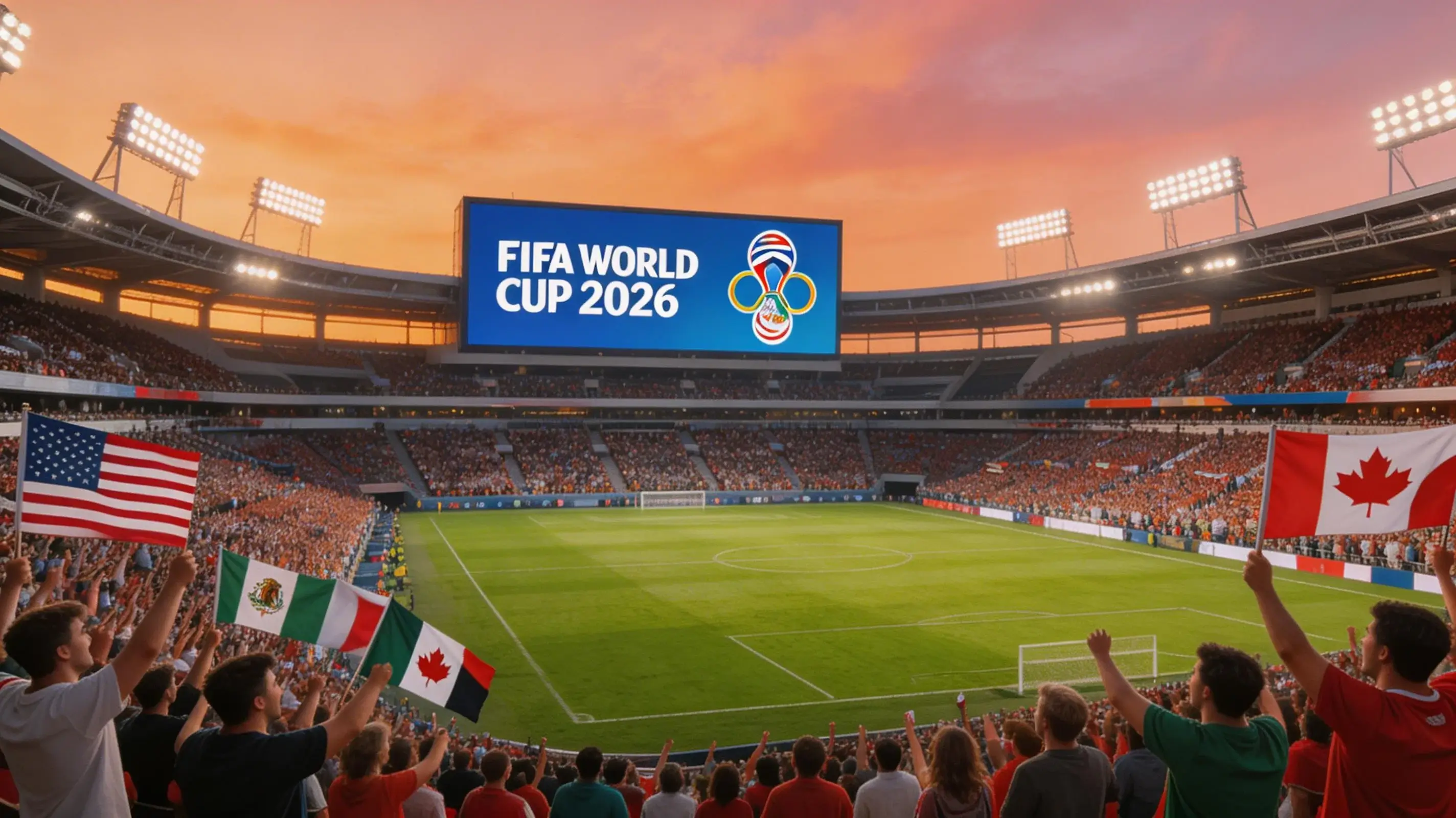
I remember sitting in a Doha hotel room in November 2022, watching the group stage chaos unfold while mentally preparing for a World Cup that would look nothing like what I was witnessing. FIFA had already announced the expansion. Forty-eight teams. Twelve groups. One hundred four matches. At the time, it felt abstract. Now, with the draw complete and the schedule locked, the reality of the largest football tournament ever staged is setting in - and the betting implications are significant.
The 2026 World Cup runs from June 11 through July 19, spanning 39 days across three host nations. Mexico holds the honor of the opening match, with El Tri facing South Africa at Estadio Azteca on that first Wednesday. The final takes place at MetLife Stadium in East Rutherford, New Jersey - a venue that will pack over 82,000 supporters into a night that could define a generation of football.
The format shift from 32 to 48 teams fundamentally alters how tournament betting works. Traditional World Cups featured eight groups of four, with the top two from each advancing to a Round of 16. This edition divides 48 nations into twelve groups of four. The top two from each group still advance automatically - that is 24 teams right there - but the eight best third-place finishers also qualify for the knockout rounds. This means 32 teams progress to a newly created Round of 32, effectively doubling the knockout bracket depth.
For bettors, this creates a crucial dynamic that I have seen too many analysts overlook. Third-place qualification chances mean that teams can afford to drop points in one group match and still advance. The desperation that defined final matchday scenarios in previous tournaments gets diluted. Groups become less about outright domination and more about point accumulation - a subtle shift that affects everything from goalscoring patterns to the value of draw bets.
The 48-team format with third-place qualification fundamentally changes risk profiles. Teams that might have needed a win to survive can now advance with a draw, making Asian handicap and draw no bet markets more attractive than traditional 1X2 lines in pressure situations.
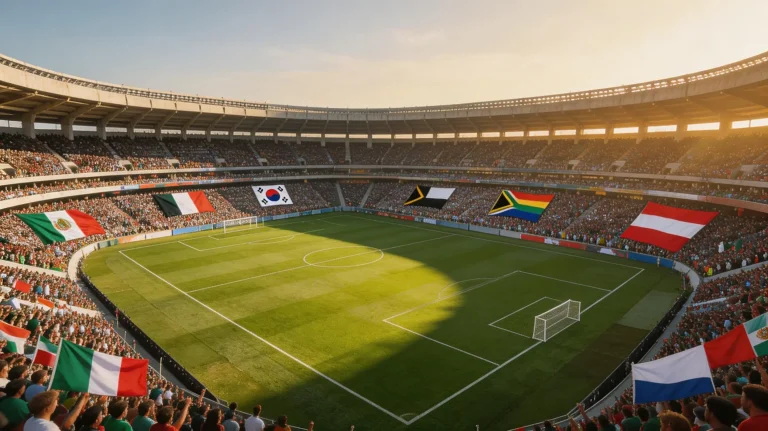
Sixteen stadiums across three countries will host matches, with the distribution heavily favoring the United States. Eleven American venues - from Seattle's Lumen Field to Miami's Hard Rock Stadium - will stage the majority of fixtures. Mexico contributes three stadiums, including the historic Azteca that has already witnessed two World Cup finals. Canada enters the hosting picture with two venues: BMO Field in Toronto and BC Place in Vancouver, both serving as homes for the Canadian national team's group stage campaign. The complete World Cup 2026 stadiums guide covers every venue, capacity, and match assignments across all three host nations.
The geographic spread introduces a variable that rarely impacts tournament betting: travel and time zones. A team playing in Vancouver on matchday one could find themselves in Miami by matchday three. The fatigue factor, particularly for European and African squads adjusting to North American summer conditions, deserves consideration when evaluating late-tournament form. Historically, I have found that South American teams adapt better to continental shifts within the Americas - a small edge worth noting when Argentina or Brazil face European opposition in knockout rounds.
Group stage matches occupy the first two weeks, running from June 11 through June 24. The Round of 32 begins immediately after, with the Round of 16 following four days later. Quarter-finals land on July 4 and 5, semifinals on July 8 and 9, and the third-place match precedes the final by one day. The compressed knockout schedule - eight rounds in 25 days - creates recovery challenges that favor squads with roster depth. Betting on injury replacements and rotation patterns becomes relevant far earlier than in previous tournaments.
The first World Cup bet I ever placed was on Germany to beat Costa Rica in the 2006 opener. Simple moneyline, massive favorite, easy win. I thought I had cracked the code. Two tournaments later, I understood that straightforward match winner bets represent maybe ten percent of where actual value lives during a World Cup. The market diversity available for this tournament - particularly through Ontario's licensed operators - spans dozens of bet types that most casual observers never explore.
Match betting remains the foundation. Every game offers three-way moneyline options: home win, away win, or draw. At this tournament, "home" and "away" designations follow FIFA seeding rather than geography, so Mexico might be listed as the away team in their own stadium depending on opponent seeding. This creates occasional line confusion that sharp bettors exploit. The three-way nature of football betting - that draw option that does not exist in hockey or basketball - fundamentally shapes how odds compile. A favorite at -200 American odds does not translate to implied probability the same way it does in a two-outcome sport.
Point spreads - or Asian handicaps in football terminology - address the draw problem by eliminating it entirely. If Canada is listed at -0.5 against Qatar, you need Canada to win outright. A draw loses. But handicaps extend further: -1.5 requires a two-goal margin, while +0.5 means your selection wins or draws. Quarter and half Asian lines split stakes across outcomes, creating nuanced positions that I find particularly useful when assessing mismatched group stage fixtures where total destruction is possible but not certain.
Totals betting - over/under on combined goals - offers cleaner analysis for those uncomfortable picking winners. The standard line sits at 2.5 goals for most matches, though heavily favored nations against tournament debutants might see lines climb to 3.5 or higher. I track opening round totals obsessively because they tend to underestimate goal production. The 2022 World Cup averaged 2.73 goals per match, but the first week produced several four and five-goal thrillers as teams found their footing. Expect similar variance when Curaçao faces Germany or Haiti meets Brazil.
Asian Handicap - a spread betting system that eliminates the draw by applying goal advantages or disadvantages. Quarter lines (0.25, 0.75) split your stake across two adjacent handicaps, creating push possibilities on half the wager.
Futures markets generate the most pre-tournament attention but require the longest bankroll commitment. Outright winner bets placed now sit frozen until July 19. Group winner markets offer shorter timelines - you know your result by June 24 - with odds that shift dramatically after each matchday. I prefer waiting until matchday two to assess group winners; initial results reveal tactical approaches that inform whether a favorite is coasting or vulnerable.
Player props span individual performances: goalscorer anytime, first goalscorer, total assists, total shots. The Golden Boot market - top tournament scorer - attracts heavy handle but carries substantial variance. Historically, Golden Boot winners come from semifinalist nations approximately 85% of the time, which narrows the realistic candidate pool to about twenty players despite markets offering odds on over a hundred names. For deeper analysis of top scorer candidates and value plays, the Golden Boot odds breakdown examines historical trends and current contenders.
Team props include group stage points totals, clean sheets, penalty occurrences, and red cards. These markets see less liquidity than match betting, which cuts both ways: lines move slower but also carry higher juice. When I find value in a team prop, I size my position smaller and accept that the odds might not be as sharp as what I would find on a standard moneyline.
Parlay construction deserves its own consideration during tournaments. Combining multiple match results or spreading a ticket across outcomes within a single match (match result plus over/under, for example) amplifies both risk and reward. Same-game parlays have exploded in popularity since 2022, though the correlation pricing that books build into these products often eats into expected value more than bettors realize. A detailed approach to World Cup parlay construction can help identify when multi-leg bets make mathematical sense versus when they simply boost entertainment value at your bankroll's expense.
I was in the stadium when Canada qualified for Qatar 2022 - the first World Cup appearance in 36 years. The energy in BMO Field that night felt like something had permanently shifted in Canadian football culture. Now, three years later, that shift has matured into genuine expectations. Canada does not simply want to participate in 2026. They want to compete. And the group draw gave them a realistic path to do exactly that.
Group B pairs Canada with Switzerland, Qatar, and Bosnia and Herzegovina. On paper, Switzerland presents the toughest test - a consistent round-of-16 nation with tournament experience and a deep squad. But the Swiss rarely exceed expectations either, which caps their ceiling as a true threat. Qatar, despite their Asian Cup success, struggled badly as 2022 hosts and will find North American conditions no easier to navigate. Bosnia and Herzegovina earned their spot by stunning Italy in qualification playoffs, but that one-off upset does not make them favorites to advance from a group where they face three matches in thirteen days.
Canada's schedule maximizes home advantage. The opener against Bosnia lands at BMO Field in Toronto on June 12. Five days later, Canada faces Qatar at BC Place in Vancouver before returning to Vancouver for the Switzerland decider on June 24. Every group stage match takes place on Canadian soil, in front of Canadian crowds, during Canadian summer. No other co-host nation secured such favorable geographic treatment.
Current betting lines place Canada around +260 to win Group B outright and -350 to qualify for the knockout rounds. Those numbers suggest roughly a 28% chance to top the group and a 78% implied probability of advancing - odds that reflect both the favorable draw and home pitch advantage.
The squad anchors itself around two players who belong in any conversation about world-class talent. Alphonso Davies, when healthy, provides left-sided attacking capability that even elite European clubs struggle to contain. His recovery from an ACL injury in late 2025 remains the single most important variable affecting Canada's tournament ceiling. Jonathan David has established himself as one of the most clinical finishers in European football, and his move to Juventus only elevated his profile. David carries realistic Golden Boot outside odds - something unthinkable for a Canadian player five years ago.
Jesse Marsch manages a roster that blends European experience with MLS familiarity. The tactical approach under Marsch emphasizes pressing and transitions, which suits tournament football where defensive organization often determines advancement. Midfield depth through Stephen Eustáquio and Cyle Larin provides options, though Canada lacks the bench quality that separates contenders from hopefuls.
For comprehensive squad analysis, historical context, and match-by-match betting angles, the dedicated Canada World Cup 2026 coverage examines every variable affecting the host nation's prospects. The betting markets will react to Canadian performance in real time - understanding the squad dynamics before June 12 positions you to capitalize when lines overreact to early results.
Every World Cup produces the same early-summer conversation: who wins? I have spent more hours than I should admit modeling this question, and the honest answer remains frustratingly consistent - four or five teams possess realistic paths to lifting the trophy, another six could make a semifinal run, and everyone else is playing for pride and the occasional group stage upset. The markets agree, clustering favorites between +400 and +700 while the rest of the field spreads across increasingly hopeful odds.
France enters as the betting favorite at most books, typically around +450. They have the deepest squad in international football, headlined by Kylian Mbappé at his physical prime. The French won in 2018, reached the final in 2022, and have not missed a semifinal since 2014. Their manager, Didier Deschamps, understands tournament football at a level few can match. The case against France involves fatigue and expectation - their key players carry massive club workloads, and the pressure of being favored weighs differently than chasing from behind.
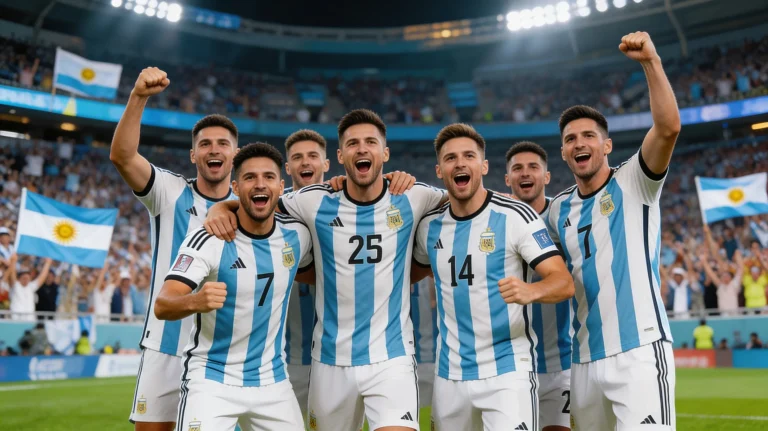
Argentina defends their 2022 title with most of that championship core intact. Lionel Messi's participation remains uncertain as he approaches 39, but even a reduced Messi changes how opponents defend. The supporting cast - Julián Álvarez, Enzo Fernández, Alexis Mac Allister - has matured since Qatar. Argentina's odds typically sit between +500 and +600, with implied probabilities suggesting the market views them as roughly a 15% chance to repeat.
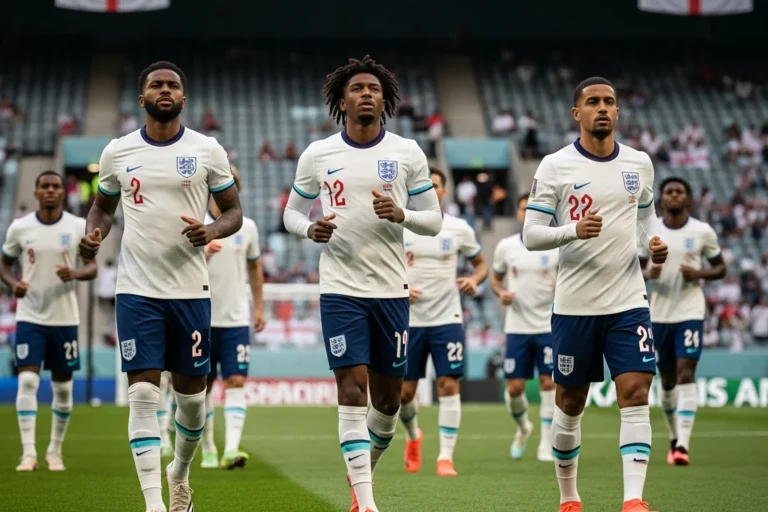
England carries the burden of "it's coming home" expectations yet again. They reached the Euro 2024 final, losing to Spain, and their golden generation - Jude Bellingham, Bukayo Saka, Phil Foden - enters prime years. England's odds usually fall between +550 and +700, reflecting both their quality and their documented inability to finish the job at major tournaments. Whether that narrative breaks in 2026 or perpetuates itself is the central question for anyone considering backing the Three Lions.
Brazil rebuilds after the 2022 quarterfinal collapse, but rebuilding with Brazilian talent still means fielding a squad that would challenge most nations at full strength. Vinícius Jr., Rodrygo, and an emerging generation have restored some of the samba flair that deserted the Seleção during their pragmatic recent era. Brazil typically prices around +700, making them value candidates if you believe the rebuild has progressed further than European-centric markets assume.
| Team | Typical Odds | Implied Probability | Tier |
|---|---|---|---|
| France | +450 | 18.2% | Elite Favorite |
| Argentina | +550 | 15.4% | Elite Favorite |
| England | +600 | 14.3% | Elite Favorite |
| Brazil | +700 | 12.5% | Elite Favorite |
| Spain | +800 | 11.1% | Contender |
| Germany | +900 | 10.0% | Contender |
| Netherlands | +1400 | 6.7% | Contender |
| Portugal | +1600 | 5.9% | Contender |
Three calculators built for Canadian odds formats and markets. Informational only — not betting advice.
Spain enters as Euro 2024 champions with a teenage sensation in Lamine Yamal and midfield control that suffocated opponents in Germany. Their +800 odds represent a slight discount to the top tier, which creates potential value given their recent pedigree. Germany, hosting the Euros in 2024 and now with tournament experience under a new generation, prices similarly.
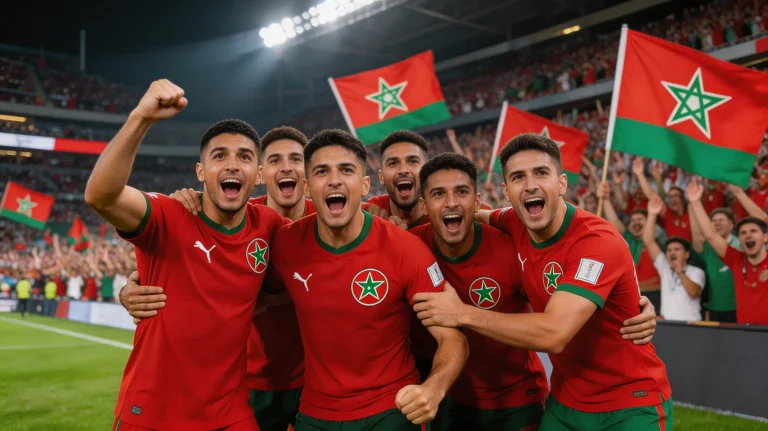
Beyond the top eight, the field opens into dark horse territory. Morocco's 2022 semifinal run proved that an organized African side can disrupt the traditional powers. Japan has invested heavily in European development pathways and now fields a squad where nearly every starter plays for a top-five league club. The United States benefits from home soil across eleven venues and a young core eager to prove themselves on the biggest stage.
For detailed current odds across all markets - outright winner, group winners, and individual awards - the World Cup 2026 odds page tracks line movements and identifies where value has shifted since the draw. Dark horse candidates receiving disproportionate attention deserve their own analysis, which the World Cup dark horses coverage provides with historical context on successful longshot runs.
The draw ceremony in Zurich produced twelve groups that range from utterly predictable to genuinely chaotic. I sat through two hours of procedural theater waiting for the combinations that would shape my betting approach for months - and the results did not disappoint. Several groups offer clear hierarchies with obvious favorites, while others guarantee at least one major upset just based on competitive density.
Group A opens the tournament with Mexico facing South Africa at Estadio Azteca - a symbolic kickoff that echoes the 2010 tournament opener in Johannesburg. Mexico should advance comfortably alongside either South Korea or Czechia, but the co-hosts carry decades of "quinto partido" baggage that haunts every Mexican tournament run. They have not won a knockout match since 1986, and that psychological weight manifests in unexpected places.
Group B - Canada's group - presents a fascinating betting puzzle. Switzerland enters as the favorite, but their floor is lower than casual observers assume. The Nati rarely dominate; they accumulate results through discipline rather than flair. Canada's home advantage could flip this group entirely if they take points from the opener against Bosnia. Qatar, despite their Asian Cup triumph, carries the stench of their 2022 group stage implosion.
Group C might be the tournament's most intriguing from a betting perspective. Brazil will not drop points to Haiti or Scotland, but Morocco versus Brazil determines group control - and the Atlas Lions have already proven they can neutralize South American flair. Whoever finishes second faces a potentially easier Round of 32 path, which makes the group dynamics more complex than the obvious Brazil coronation.
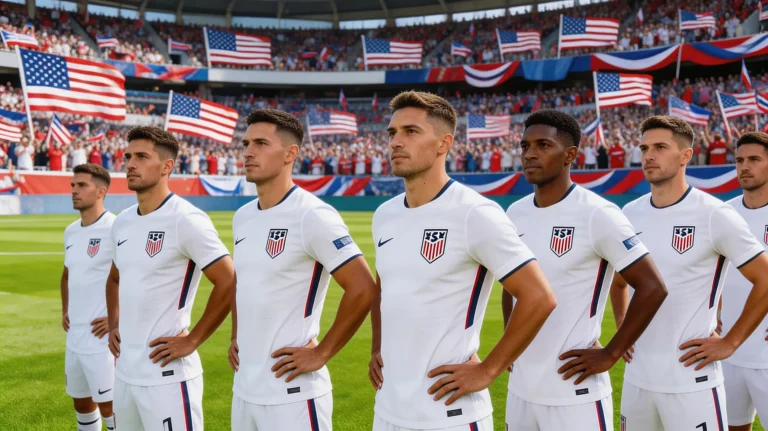
Group D places the United States against Paraguay, Australia, and Türkiye. The Americans play in their own stadiums with their own crowds, and anything short of group victory would be considered failure. That expectation creates pressure that the betting markets price inefficiently - favorites facing must-win scenarios often underperform their odds.
The 48-team format creates twelve groups with four teams each. Twenty-four teams advance automatically (top two per group), while eight more qualify as the best third-place finishers. This means two-thirds of the tournament field progresses - a radical shift from the 50% advancement rate under the previous format.
Groups of death - the traditional clusters where multiple quality sides guarantee early elimination for someone good - appear in Groups F and I. Group F combines the Netherlands, Japan, Sweden, and Tunisia - four nations capable of reaching knockout rounds in any other configuration. Group I pairs France with Norway, Senegal, and Iraq, which seems straightforward until you remember that France has a documented history of group stage struggles when heavily favored.
The complete World Cup 2026 groups breakdown examines each group in detail, including qualification scenarios, head-to-head records, and betting angles specific to group configurations. Understanding how third-place qualification changes group stage mathematics is essential for anyone placing money before June 24.
I placed my first legal single-game sports bet in Canada on August 27, 2021 - the day Bill C-218 took effect. Before that date, Canadians could only bet legally through provincial lottery parlay products that required hitting three or more legs. The transformation since then has been remarkable, though the regulatory patchwork across provinces creates confusion that I still encounter when talking with bettors outside Ontario.
Bill C-218 - the Safe and Regulated Sports Betting Act - legalized single-event sports wagering at the federal level, but implementation falls to individual provinces. This division of responsibility means that where you live in Canada dramatically affects your betting options. Ontario embraced private operators immediately, launching iGaming Ontario in April 2022 to license and regulate commercial sportsbooks. The result is a competitive marketplace where bet365, FanDuel, BetMGM, and dozens of other operators compete for customer handle.
Outside Ontario, provincial monopolies dominate. British Columbia offers PlayNow through BC Lottery Corporation. Quebec operates Mise-o-jeu+ under Loto-Québec. The Atlantic provinces share Proline Stadium through Atlantic Lottery. Alberta passed Bill 48 in 2024, creating iGaming Alberta with an expected launch sometime in 2026 - potentially before the World Cup begins, though regulatory timelines rarely meet optimistic projections.
The practical impact for World Cup betting depends entirely on your province. Ontario residents can shop lines across multiple books, exploiting odds discrepancies and claiming promotional offers from competing operators. A bettor in Vancouver gets PlayNow's odds or nothing - no line shopping, no promotional competition, no market depth. This asymmetry shapes strategy: Ontarians should absolutely maintain accounts at three or four operators for line comparison, while bettors elsewhere focus on maximizing value within their single legal option.
Ontario's open market offers genuine line-shopping opportunities across licensed operators. Outside Ontario, provincial lottery platforms provide the only legal betting avenue - making promotional value and market selection more important than line comparison.
Advertising regulation continues evolving. Bill S-211 passed the Senate in October 2025, proposing a national framework that would restrict in-game advertising and limit celebrity endorsements to responsible gambling messaging only. Ontario already prohibits language targeting minors and restricts how athletes can appear in betting promotions. These rules affect how aggressively operators market during the World Cup, which historically has been peak season for sportsbook advertising in Canada.
Minimum betting age varies by province: 19 in Ontario, British Columbia, and Atlantic Canada; 18 in Alberta, Manitoba, and Quebec. Responsible gambling tools - deposit limits, self-exclusion programs, reality checks - are mandatory across all licensed platforms. Before the World Cup consumes your attention, setting these limits thoughtfully protects against the exact kind of emotional betting that tournaments encourage.
The complete World Cup betting guide covers the tactical elements of placing wagers - market selection, timing, and execution - that build on this regulatory foundation.
I maintain accounts at six different Ontario-licensed sportsbooks, and I use all of them during major tournaments. The odds variance between operators on a single World Cup match can exceed five percentage points in implied probability - which translates directly to long-term profitability. Anyone treating sportsbook selection as a one-time decision is leaving value on the table.
The operators available depend on your province. Ontario's iGaming framework licenses private sportsbooks that must meet AGCO regulatory standards, creating a competitive environment with genuine product differentiation. bet365 offers the deepest soccer market selection I have encountered, with live betting options that extend to corner counts, booking points, and minute-by-minute prop adjustments. Their interface prioritizes experienced bettors who know what they want, which can feel overwhelming for newcomers but rewards those who invest time learning the platform.
FanDuel has pushed aggressively into the Canadian market with promotional structures that favor tournament betting. Their same-game parlay builder simplifies multi-leg construction, though the correlation pricing embedded in those products merits scrutiny before treating them as pure value plays. DraftKings brings similar daily fantasy DNA to their sportsbook product, emphasizing player props and statistical markets that appeal to bettors comfortable with fantasy sports logic.
BetMGM, BetRivers, and PointsBet round out the major Ontario operators with varying strengths. BetMGM's odds on outright futures often lead the market for tournaments, making them worth checking before placing long-term position bets. BetRivers consistently offers competitive lines on totals markets, while PointsBet's unique points betting product - where payouts scale with margin of victory - creates interesting risk profiles for group stage blowouts.
| Province | Legal Option | Operator Type |
|---|---|---|
| Ontario | bet365, FanDuel, BetMGM, DraftKings, others | Private (iGaming Ontario) |
| British Columbia | PlayNow | Provincial (BCLC) |
| Quebec | Mise-o-jeu+ | Provincial (Loto-Québec) |
| Alberta | PlayAlberta / iGaming Alberta (2026) | Transitioning |
| Atlantic Provinces | Proline Stadium | Provincial (Atlantic Lottery) |
| Manitoba, Saskatchewan | Sport Select | Provincial |
Outside Ontario, provincial platforms offer single-game betting but lack competitive tension. PlayNow in BC provides reasonable odds but no alternative exists for comparison. Mise-o-jeu+ in Quebec operates similarly - take it or leave it. This monopoly structure means bettors in these provinces must focus on timing and selection rather than line shopping: identifying when provincial lines lag behind market movements and capitalizing before corrections occur.
For World Cup specifically, I prioritize operators with robust live betting interfaces and minimal latency. Tournaments generate massive in-play volume, and the books that handle that traffic smoothly gain significant advantages over those whose platforms lag under load. During the 2022 World Cup, certain operators experienced delays of several seconds between live action and available markets - an eternity when a match turns on a penalty decision.
Depositing Canadian dollars directly avoids the currency conversion fees that eat into returns when using USD-denominated offshore books. Every licensed Canadian operator accepts CAD, maintains Canadian customer service during reasonable hours, and falls under provincial responsible gambling frameworks. Whatever value offshore books might appear to offer disappears once you factor in conversion costs, withdrawal friction, and the complete absence of regulatory protection.
The worst betting month of my career was July 2014. I went into that World Cup convinced I had found systematic edges in group stage totals and favorite spreads. By the time Germany lifted the trophy, my bankroll had dropped 35%. The lesson was painful but permanent: tournament betting requires discipline that regular league wagering never demands. Thirty-nine days. One hundred four matches. Emotional volatility at every turn.
Bankroll management becomes exponentially more important during a compressed tournament schedule. I allocate a specific World Cup bankroll before June 11 and refuse to reload regardless of how the first week unfolds. This fixed allocation forces selectivity - I cannot bet every match when each wager represents a meaningful percentage of my tournament budget. The math suggests sizing individual bets between one and three percent of your World Cup bankroll, which feels conservative until you realize how quickly variance compounds across a hundred matches.
Market timing matters more during tournaments than during regular leagues. Futures prices shift dramatically after each matchday as the market incorporates new information about form, injuries, and tactical approaches. I rarely place outright winner bets before seeing at least one round of group matches, because the information asymmetry between the market and reality narrows considerably once actual World Cup football begins. The exception is value positions on longshots whose odds will crash if they start well - locking in +5000 on Morocco before they demonstrate 2022-level organization is worth the early commitment.
Calculating Asian Handicap Returns
Canada -0.75 at -110 versus Qatar. A $110 stake breaks into two bets: $55 on Canada -0.5, $55 on Canada -1.0.
If Canada wins 2-0: both halves win. Return = $55 at -110 pays $50 + $55 at -110 pays $50 = $100 profit.
If Canada wins 1-0: the -0.5 side wins ($50), the -1.0 side pushes (return $55). Total return = $105, profit = ($5).
The quarter line reduces variance compared to a straight -1.0 handicap while still requiring a margin victory.
Live betting during World Cup matches offers edges that pre-match markets cannot. The emotional swings of tournament football create overreactions - a favorite going down early sees their live odds balloon beyond reasonable probability adjustments. I keep a portion of my match allocation reserved for in-play opportunities, entering positions only when the live line diverges from my pre-match assessment by more than 20%. Detailed approaches to in-play wagering, including how to read match momentum and when to hedge existing positions, appear in the live betting strategy guide.
Group stage betting differs fundamentally from knockout rounds. In groups, draws happen frequently and carry strategic value for teams managing qualification scenarios. The 48-team format with third-place qualification amplifies this dynamic - teams can afford tactical draws more than ever before. In knockout rounds, extra time and penalties introduce variance that regular match betting cannot capture. I shift toward draw no bet and double chance markets once elimination rounds begin, accepting lower returns for reduced exposure to penalty lottery outcomes.
Prop markets and player bets offer diversification beyond match results. Anytime goalscorer on a penalty specialist. Yellow card totals in matches between physical teams. These peripheral markets see less sharp action than main lines, which theoretically creates softer odds - though the tradeoff is reduced liquidity and wider spreads. Building a tournament approach that balances match betting with selective prop positions helps smooth the variance that pure result betting guarantees.
My calendar clears in June. It has for every World Cup since 2006, and 2026 demands even more scheduling attention given the expanded format and North American time zones. For Canadian bettors, the schedule offers genuine advantages: evening kickoffs in European tournaments translate to afternoon and early evening starts here, which means catching live matches without destroying sleep patterns or workplace productivity.
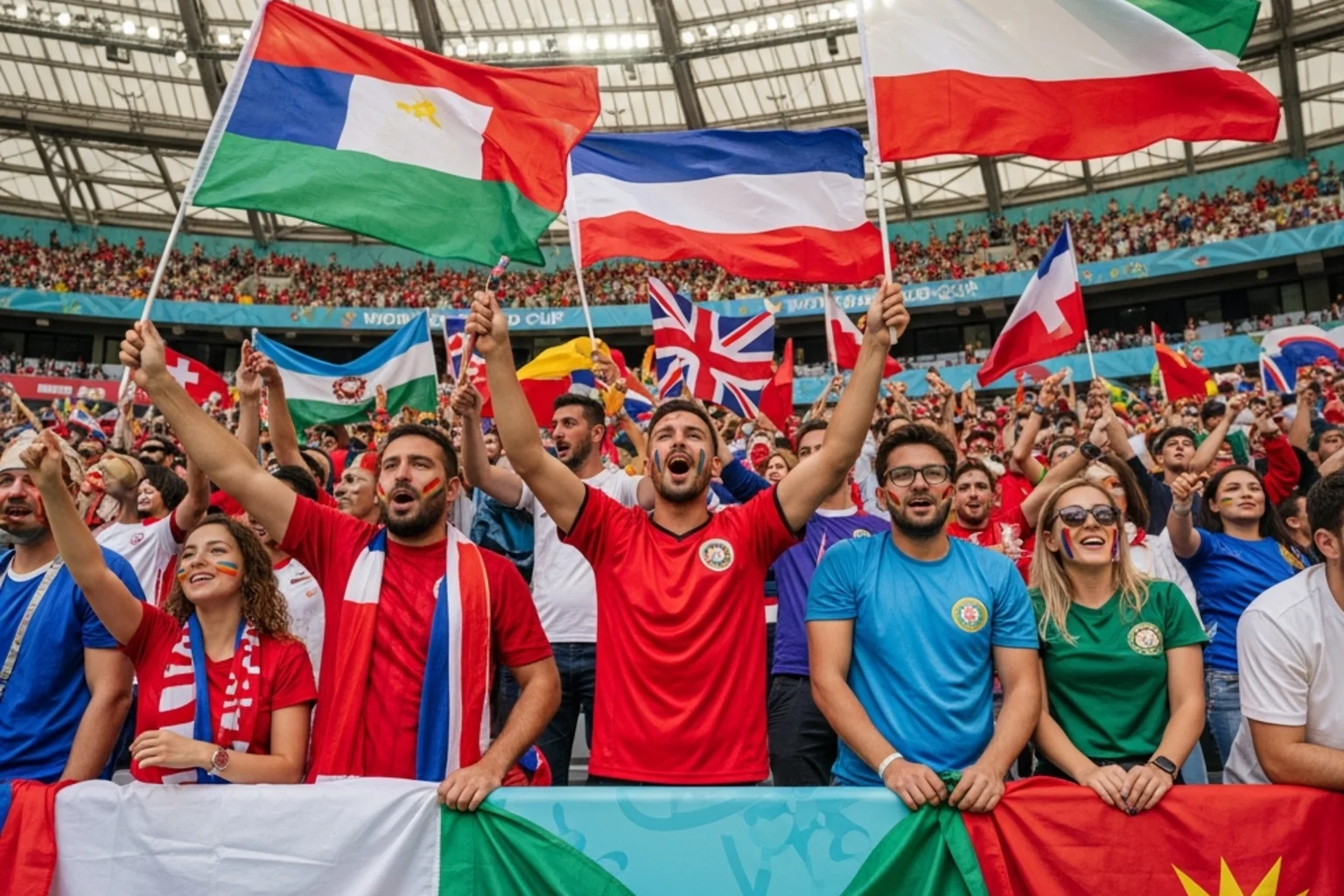
June 11 opens the tournament at Estadio Azteca, where Mexico faces South Africa in a noon ET kickoff. The opening match historically attracts massive betting volume but mediocre value - lines tighten to razor-thin margins as every casual bettor places their first wager of the tournament. I watch the opener without money riding on it, using the ninety minutes to calibrate expectations for the tournament's pace and officiating standards.
Canada enters on June 12, hosting Bosnia and Herzegovina at BMO Field in Toronto with a 3:00 PM ET start. This Friday afternoon kickoff catches some bettors at work, which can suppress early handle and create line value for those watching in real time. The emotional stakes of Canada's first home World Cup match will flood the market with patriotic money - understanding how that public bias affects the lines is essential for finding value on either side.
| Date | Event | Location |
|---|---|---|
| June 11, 2026 | Opening Match - Mexico vs South Africa | Estadio Azteca, Mexico City |
| June 12, 2026 | Canada vs Bosnia and Herzegovina | BMO Field, Toronto |
| June 18, 2026 | Canada vs Qatar | BC Place, Vancouver |
| June 24, 2026 | Canada vs Switzerland / Group Stage Ends | BC Place, Vancouver |
| June 25-28, 2026 | Round of 32 | Various |
| June 29 - July 2, 2026 | Round of 16 | Various |
| July 4-5, 2026 | Quarterfinals | Various |
| July 8-9, 2026 | Semifinals | Various |
| July 18, 2026 | Third Place Match | Hard Rock Stadium, Miami |
| July 19, 2026 | Final | MetLife Stadium, East Rutherford |
The group stage concludes on June 24, with Canada's final match against Switzerland scheduled for that day. Group stage scheduling clusters matches from the same group simultaneously on the final matchday, preventing teams from knowing exactly what result they need. This creates betting scenarios where live odds across two matches interact - a goal in one venue shifts the stakes in another, and markets adjust accordingly.
Knockout rounds begin June 25 with the Round of 32, a new stage that did not exist under the previous format. Eight matches per day for four days produces a relentless betting schedule that tests both bankroll discipline and analytical bandwidth. I pre-select Round of 32 targets based on bracket position rather than trying to handicap all 16 matches in real time.
The final at MetLife Stadium falls on July 19, a Sunday evening in New Jersey. Prime time for North American television, afternoon in Europe. For those who survive the tournament with bankroll intact, the final represents either a culminating position or a moment to step back and appreciate the spectacle without financial stakes. After 103 previous matches, knowing when to watch rather than wager is its own form of discipline.
Single-event sports betting is legal throughout Canada following Bill C-218, which took effect in August 2021. However, the available platforms vary by province. Ontario offers licensed private sportsbooks through iGaming Ontario, while other provinces operate through provincial lottery corporations. British Columbia uses PlayNow, Quebec has Mise-o-jeu+, and Atlantic Canada shares Proline Stadium. Alberta's iGaming framework may launch before the tournament begins. Regardless of province, Canadians can legally bet on World Cup matches through their local regulated option.
Match result betting - picking the winner of a single game - offers the most straightforward entry point. Three-way moneylines (home, draw, away) and totals markets (over/under on goals) require minimal specialized knowledge. Avoid parlays and exotic props until you understand how tournament dynamics affect individual match betting. The 48-team format means plenty of mismatched group stage fixtures where favorites dominate, making those early matches good learning opportunities before stakes escalate in knockout rounds.
Futures markets - outright winner, group winners, Golden Boot - often offer better value before the tournament begins, particularly for dark horse selections whose odds will crash after strong opening results. Match betting timing depends on information flow: waiting until lineup announcements approximately one hour before kickoff captures injury news that sharp bettors have already priced in. Live betting during matches provides opportunities when the market overreacts to early events that do not fundamentally change match probabilities.
The expanded format with third-place qualification means two-thirds of teams advance from the group stage. This reduces desperation in final matchday scenarios since teams can afford to drop points and still progress. Draw bets gain value in situations where both teams benefit from a stalemate. The Round of 32 creates an additional knockout stage that did not exist previously, doubling bracket depth and creating more opportunities for upsets to derail favorites before the quarterfinals.
Most Canadian sportsbooks default to American odds format, displaying lines as positive or negative numbers relative to $100 stakes. A -200 favorite requires risking $200 to win $100, while a +200 underdog returns $200 profit on a $100 bet. Decimal odds - common in Europe and increasingly available on Canadian platforms - express total return rather than profit: 3.00 decimal equals +200 American. Most licensed operators allow switching between formats in account settings.
Every licensed Canadian sportsbook offers outright winner markets that include Canada. Current odds typically sit around +15000 (150 to 1), reflecting approximately a 0.7% implied probability. More realistic betting angles on Canada include group winner odds around +260 and qualification from the group stage at -350. Player props on Jonathan David for goalscoring markets offer exposure to Canadian success without requiring a championship run that would require historic upsets.
Bell Media holds Canadian broadcast rights for the 2026 World Cup, with TSN and RDS providing coverage across English and French markets. Streaming options through TSN+ will likely offer every match, though specific package details typically finalize closer to the tournament. Many sportsbooks also provide live streaming for account holders with active balances, creating a convenient option for bettors who want to watch and wager through a single platform.